

Why the Ideal Home Layout Is All About Flexibility (Not Just Square Footage)
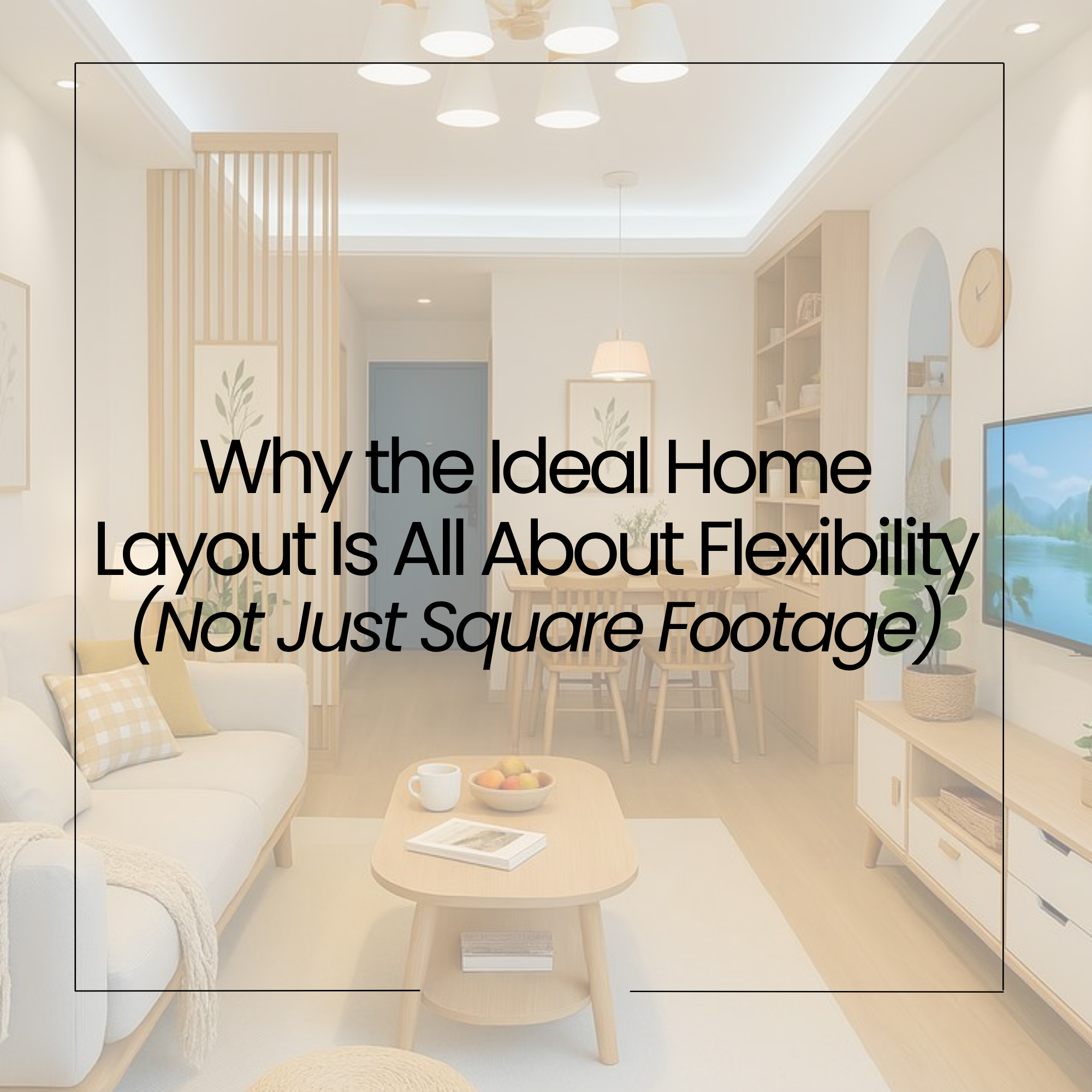
For years, the home-buying conversation revolved around a single number: square footage. Bigger was better, and a higher number on the listing felt like a guarantee of a better life inside. But walk through enough homes with enough buyers and a different truth emerges. People don't actually fall in love with square footage. They fall in love with how a home works for the way they live. Today, the smartest buyers — and the agents who guide them — are paying far less attention to how big a home is and far more attention to how flexible it is.
That shift matters whether you're shopping for your next place, preparing to sell, or simply trying to understand where the market is heading. So let's unpack what "layout flexibility" really means, why it has become such a powerful selling point, and how to recognize it (or create it) in any home.
Square Footage Tells You Size, Not Livability
A home can be enormous and still feel frustrating to live in. Picture a sprawling floor plan with a formal dining room nobody uses, a sunken living area that swallows furniture, and bedrooms placed so far from one another that the house feels less like a home and more like a hotel corridor. On paper, it's impressive. In daily life, it's awkward.
Now picture a more modest home where every room earns its keep. The office doubles as a guest room. The dining nook flexes into a homework station after dinner. The basement shifts from a playroom to a home gym to a movie space depending on the season. The second home isn't bigger — it's smarter. And increasingly, that intelligence is what buyers are willing to pay for.
Square footage measures volume. Flexibility measures usefulness. And usefulness is what people experience every single day.
How the Way We Live Changed the Way We Buy
The rise of flexible layouts didn't happen in a vacuum. Over the past several years, our homes quietly took on more jobs than ever before. The same four walls now have to function as a workplace, a classroom, a fitness studio, an entertainment venue, and occasionally a short-term guest suite — sometimes all in the same week.
That blending of work and life raised the bar for what a "good layout" even means. A spare bedroom is no longer just a spare bedroom; buyers are mentally testing whether it can become a quiet office with a door that actually closes. An open-concept main floor isn't just about looking spacious; it's about whether the kitchen, living, and dining zones can flow during a gathering and then feel cozy on an ordinary Tuesday night.
In short, buyers have started shopping for possibility. They want rooms that can say yes to whatever life throws at them next.
What "Flexible Space" Actually Looks Like
Flexibility isn't a vague feeling — it shows up in concrete, recognizable features. When you're touring a home (or evaluating your own), look for layouts that offer:
Rooms that can change roles. A bonus room, loft, or finished basement that isn't locked into a single purpose gives a family room to grow and adapt without moving or renovating.
Defined zones within open spaces. Open-concept design is popular, but the best versions still create natural boundaries — a kitchen island here, a reading corner there — so the space can host a party or hold a quiet morning equally well.
A flexible entry or transition area. Mudrooms, drop zones, and flex nooks near the door quietly absorb the chaos of daily life, from backpacks to deliveries to work bags.
Outdoor space that extends the indoors. A covered patio or usable yard effectively adds a "room" the square-footage figure never counts — a place to work, gather, or simply breathe.
Storage that supports change. Built-ins, well-placed closets, and adaptable storage make it possible for a room to shift purposes without becoming cluttered in the process.
None of these features require a mansion. They require thoughtful design — and that's exactly why a well-planned smaller home can outshine a larger one that wasn't built with real life in mind.
What This Means If You're Buying
If you're in the market, this shift is good news, because it frees you from chasing the biggest number you can afford. Instead of asking, "How many square feet is it?" start asking better questions:
Can this home grow and change with me over the next five to ten years? Where would I work, host, exercise, or welcome guests — and does the layout make those things easy or awkward? Which rooms could serve more than one purpose? When you evaluate homes through the lens of flexibility, you often discover that the right home is more attainable than you assumed. You're buying for how you'll actually live, not for a statistic on a listing sheet.
What This Means If You're Selling
For sellers, flexibility is a story worth telling. If your home has adaptable spaces, don't leave buyers to imagine the possibilities — show them. Stage that spare bedroom as a functional office. Set up the basement so it clearly reads as a gym or a media room. Help buyers picture the many lives a room can lead.
Even small, low-cost moves can highlight versatility: clearing clutter so rooms feel multi-purpose, defining zones within larger spaces, and emphasizing transition areas like entryways and outdoor living. When buyers can see how a home fits their lifestyle, they connect with it emotionally — and emotional connection is what turns a showing into an offer.
The Bottom Line
Square footage will always be part of the conversation, but it's no longer the heart of it. The homes that stand out today are the ones that adapt — to work, to hobbies, to guests, to growing families, and to whatever comes next. Flexibility is what makes a house feel functional, comfortable, and genuinely valuable over time.
So whether you're buying your first home, upsizing, downsizing, or getting ready to sell, give yourself permission to look past the numbers. Ask how a space can work for you. That's where the real value lives.
Thinking about buying or selling and wondering what today's buyers truly want? Let's talk — I'd love to help you find (or showcase) a home built around the way you actually live.