

Solo and Sold: Why Gen Z Women Are Rewriting the Rules of Homeownership

There's a new face of the American homebuyer, and she's not waiting for a ring, a roommate, or a raise to make it happen. According to the National Association of Realtors' 2026 Home Buyers and Sellers Generational Trends Report, which surveyed buyers who purchased homes between July 2024 and June 2025, single women made up 35% of all Gen Z homebuyers, the highest share of single female buyers of any generation on record. By comparison, single Gen Z men accounted for just 18% of buyers in their generation, meaning young women are buying homes solo at nearly double the rate of their male peers.
Zoom out across every generation surveyed, from Gen Z to the Silent Generation, and single women still come out on top: they represented a full quarter of all homebuyers in that twelve-month period, compared to 11% for single men, according to NAR data reported by the Associated Press. This isn't a brand-new phenomenon, either. NAR figures show the share of homes bought by single women peaked at 22% back in 2006, while single men's homeownership share topped out at 12% in 2010. What's changed with Gen Z is the intensity and speed of the trend, showing up earlier in life and in a bigger way than any generation before it.

Why Now, and Why Solo
Gen Z buyers, born between 1999 and 2011, still represent a small slice of the market overall, just 4% of all buyers in the survey period, and they're entering homeownership while first-time buyers as a whole are shrinking to their lowest share on record dating back to 1981. Yet the generation is moving differently than its predecessors. NAR's own research analysis notes that 53% of Gen Z buyers purchased their homes solo, 17% bought as unmarried couples (also a generational high), and 81% had no children under 18 at home. Marriage, kids, and the traditional milestones once considered prerequisites for buying a house simply aren't driving Gen Z's decisions the way they used to.
Jessica Lautz, NAR's deputy chief economist, points to a mix of educational and legal history behind why women specifically are leading this shift. Women now outpace men in college attendance, which tends to translate into stronger earning power, and unlike previous generations, they're buying entirely on their own initiative. Lautz also noted that women only gained the legal right to obtain a mortgage independently in the 1970s, a relatively recent shift that makes the current wave of solo female buyers feel like decades of momentum finally paying off.
The Financial Reality Behind the Milestone
None of this is happening without real financial stretching. Gen Z buyers reported a median annual household income of $76,000 as of 2024, the lowest of any generation of buyers, while the median U.S. home price has continued to climb, sitting at $417,700 as of the most recent NAR figures. To bridge that gap, Gen Z buyers are getting creative: many lean on financial help from family, look into local down payment assistance programs, and NAR found that 1 in 10 Gen Z buyers tapped their 401(k) savings to help fund a down payment.
Real-world examples back up the data. AP News profiled buyers like Bri LaFluer, who worked two jobs and lived at home to save for a down payment before buying a three-bedroom house in upstate New York at 24, and Mariah Berry, who cut back on spending after college to buy a two-bedroom duplex in Tennessee at 23 with a $7,000 down payment. Their stories echo a common thread in the data: Gen Z's top reason for buying, cited by 39% of respondents, was simply wanting a home of their own, not a life event or a partner's timeline.
A Gap Worth Closing: Estate Planning
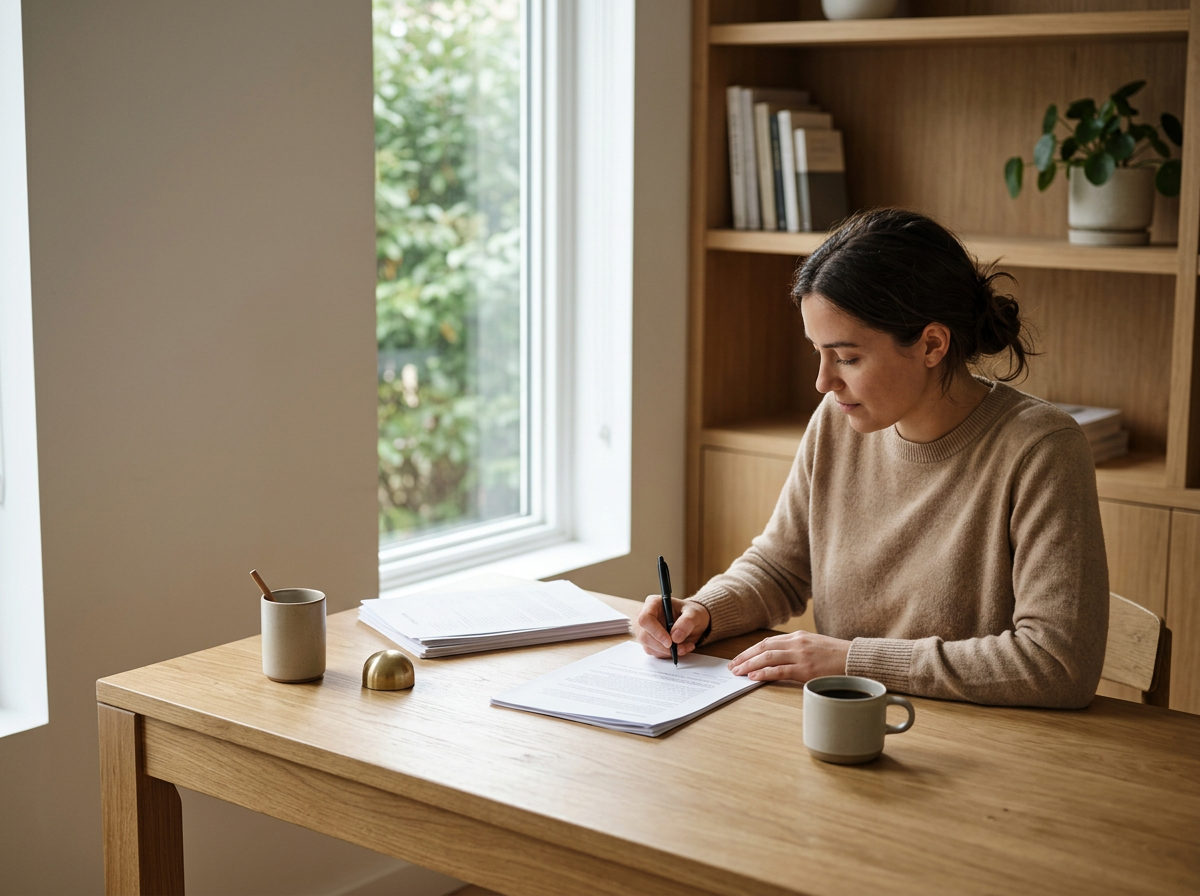
There's an important blind spot in this trend that's worth flagging for anyone buying solo. CNBC reported that 60% of women have no estate planning documents in place, compared to 50% of men, and among all single adults, only 16% have a will, versus 37% of married individuals, according to Trust & Will's 2026 Estate Planning Report. That matters more once you own a home, since a house is often a person's largest asset. Financial planners quoted in the CNBC piece stress that having at least a basic will, and considering powers of attorney for finances and healthcare, protects both the property and the buyer if the unexpected happens. It's a simple, often-overlooked step that pairs naturally with the pride of getting the keys.
What This Means Going Forward
The takeaway isn't just a statistic, it's a shift in who homeownership is for and when it happens. Gen Z women are proving that you don't need to wait for a partner, a promotion, or a "perfect" moment to invest in your own future. If you're considering buying on your own, the data suggests you're in good company, and increasingly, you're leading the way. Whether it's exploring down payment assistance programs, understanding what you can realistically afford on your income, or simply figuring out where to start, having the right guidance early makes all the difference. If that's you, I'd love to help you map out what your own path to homeownership could look like.
Sources: National Association of Realtors, 2026 Home Buyers and Sellers Generational Trends Report; Associated Press, "Single Gen Z women are buying more homes than the men of their generation" (May 20, 2026); CNBC, "Gen Z single women are buying homes. They need an estate plan" (April 16, 2026); Pew Research Center; Trust & Will 2026 Estate Planning Report.